In the era of post-COVID, there’s been a surge in the desire for connection with nature, slower-paced living, introspection, and a green lifestyle. Mountaineering has emerged as a popular pursuit, often showcased on social media.
But is it something everyone can do?
Almost; but it requires careful preparation and training. Just like any physically and mentally demanding activity, mountaineering becomes a part of who we are through dedication and self-awareness, along with physical readiness.
Those awe-inspiring summit photos we see are typically captured on clear days, after a conscious effort and overcoming fatigue. However, these snapshots shouldn’t make us underestimate the experience required. Monte Rosa offers numerous opportunities for aspiring climbers, with some routes accessible to many. But regardless of accessibility, mountaineering demands preparation, competence, and training.
Even on less technical routes like Breithorn, Capanna Margherita, Piramide Vincent, Punta Giordani, and Cristo delle Vette, which don’t involve steep rock faces or exposed areas, climbers are still tackling peaks exceeding 4000 meters in altitude.
Preparation and training are the key. Climbing to Capanna Margherita without prior experience or mountain climbing habits is not advisable. For climbs above 4000 meters, aerobic fitness is essential. Running on routes with gradients around 1000 meters and strengthening leg muscles are pivotal, as well as gradually increasing altitude in practice hikes.

At altitudes above 3000 meters, oxygen levels drop significantly, causing greater physical and mental fatigue even for the fittest climbers. Gradual acclimatization is vital, with hikes reaching 3000 meters helping to adapt to the altitude.
Climbing a 4000-meter peak without adequate preparation and acclimatization is risky, especially for those unaccustomed to altitude changes. Choosing a gradual approach and respecting your body’s physiological limits is crucial.
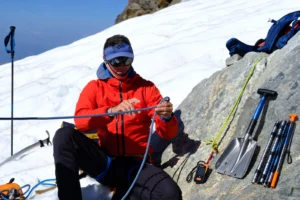
Appropriate clothing and equipment are essential for safety and comfort. This includes sturdy boots, crampons, ice axes, layered and technical clothing, as well as protection for all extremities.
Having a progressive approach and setting realistic goals based on personal experience and physical condition is wise. Climbing Capanna Margherita as your first 4000-meter peak might be ambitious for some. It’s often more sensible to view it as a milestone in your mountaineering journey.
Lastly, being accompanied by an experienced mountain guide ensures safety and provides valuable insights into high-altitude climbing techniques.
Approach mountaineering with respect, preparation and the right mindset, and you’ll embark on an exhilarating journey with minimal risks.